
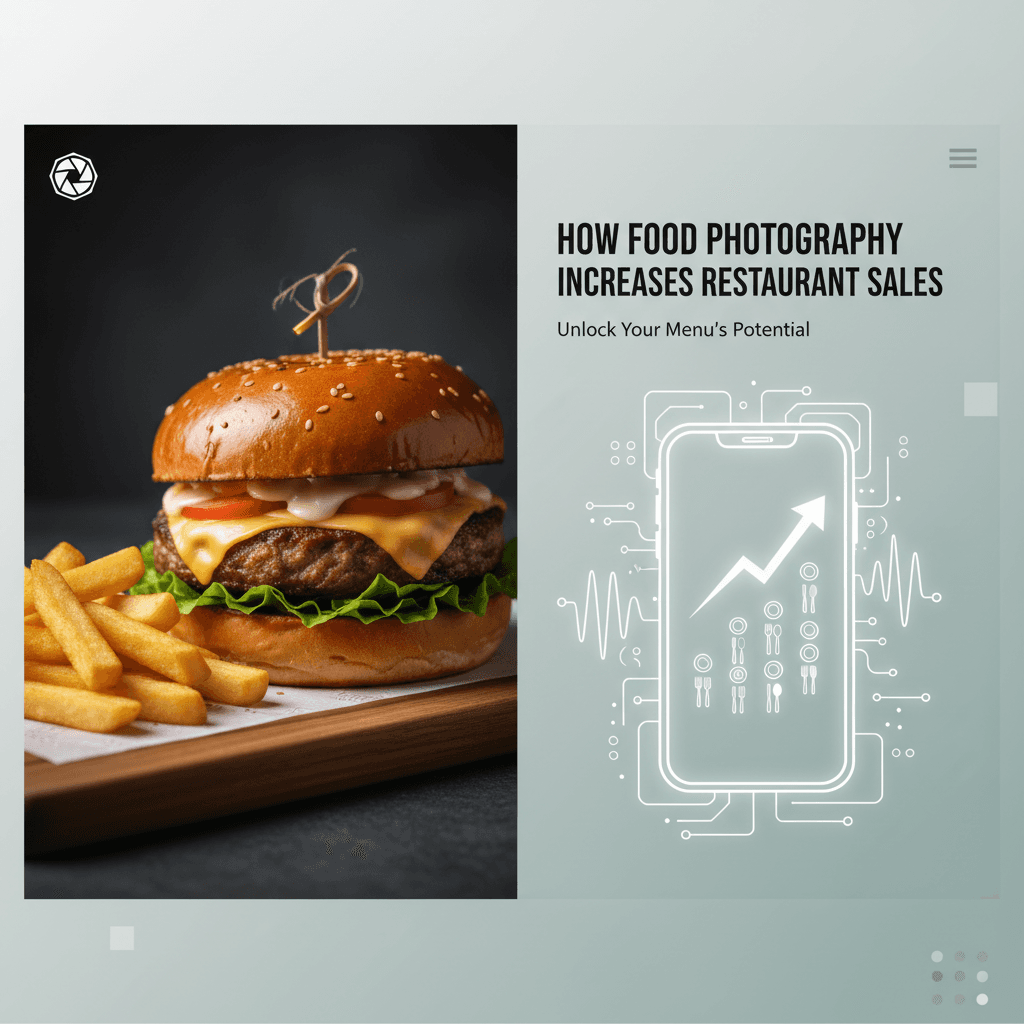
How Food Photography Increases Restaurant Sales
Published on March 6, 2026 by BD Agency
In the digital age, the old saying “we eat with our eyes first” has never been more true. Before a customer tastes your food, they see it—on your website, on social media, or on a delivery app. This first visual impression is critical, and it can be the deciding factor between a customer choosing your restaurant or scrolling right past. Professional food photography is no longer a luxury; it's an essential ingredient for boosting your restaurant's sales.
First Impressions are Everything Online
Your online presence is your digital storefront. When a potential diner lands on your website, Instagram profile, or Uber Eats page, the first thing they'll notice are the photos. Dark, blurry, or unappetizing smartphone pictures can signal a lack of quality and professionalism. Conversely, vibrant, sharp, and beautifully styled photos create an immediate sense of quality and desire, enticing customers to explore your menu further.
The Direct Impact on Ordering Decisions
A well-crafted menu description is important, but a stunning photograph can sell a dish on its own. High-quality images have a powerful psychological effect, triggering cravings and influencing customer choices.
Highlighting High-Margin Items
Do you have a signature dish or a high-profit item you want to sell more of? A dedicated, professional photograph of that dish can make it the star of the menu. When customers see a mouth-watering image of your specialty burger or decadent dessert, they are significantly more likely to order it, directly impacting your average check size and overall revenue.
Making the Unfamiliar Appealing
If your menu features unique or complex cuisine, photography is your best tool for demystifying it. A beautiful photo can make an unfamiliar dish look approachable and delicious, encouraging customers to be more adventurous and try something new. Without a visual guide, they might stick to what they know, missing out on some of your best offerings.
Building Brand Identity and Trust
Consistency in your food photography helps build a cohesive and professional brand identity. When your photos reflect the quality, style, and atmosphere of your restaurant, you build trust with your audience. This tells customers that you care about every detail, from the ingredients on the plate to the way you present your business online. This trust translates into more reservations, more orders, and more loyal customers.
Fueling Social Media and Digital Marketing
Platforms like Instagram are built on visuals. Professional food photos are highly shareable, engaging assets that can supercharge your social media marketing. Here’s how:
- Increased Engagement: Stunning food photos get more likes, comments, and shares, expanding your organic reach to new potential customers.
- User-Generated Content: Great visuals inspire your customers to take and share their own photos, creating authentic, word-of-mouth marketing for your restaurant.
- Effective Advertising: High-quality images are crucial for successful paid ad campaigns on Facebook, Instagram, and Google, leading to a higher return on your advertising spend.
Dominating Online Ordering and Delivery Platforms
For services like DoorDash, Grubhub, and Uber Eats, your photos are your menu. Customers have no other sensory information to go on. Restaurants with professional, high-quality photos consistently see higher conversion rates and more sales on these platforms. A full menu of crisp, appetizing images can dramatically reduce cart abandonment and increase your online ordering sales.
Conclusion: An Investment That Pays for Itself
Viewing professional food photography as an expense is a mistake. It is one of the most effective investments a restaurant can make in its marketing and sales strategy. By showcasing your dishes in the best possible light, you grab attention, influence purchasing decisions, build brand trust, and ultimately drive more revenue. In today's competitive market, great photos are not just nice to have—they are essential for survival and growth.